Whatsapp: +86 18298157670 vicky@yczxairtankdcpump.com

news
Choosing Between Single-Stage and Dual-Stage Vacuum Pumps
Choosing Between Single-Stage and Dual-Stage Vacuum Pumps
Choosing the best vacuum pump is a crucial decision for any professional technician.dual-stage vacuum pump The right pump will make jobs faster and more comfortable, but comparing options requires looking at many factors. Considering things like pumping speed, ultimate vacuum level, and pump chamber size will reveal the best options.
Two stage vacuum pumps are designed for processes that require deeper vacuum levels.dual-stage vacuum pump They feature a high vacuum stage and a lower vacuum stage in one unit, making them ideal for chemical, pharmaceutical, laboratory, and industrial applications.
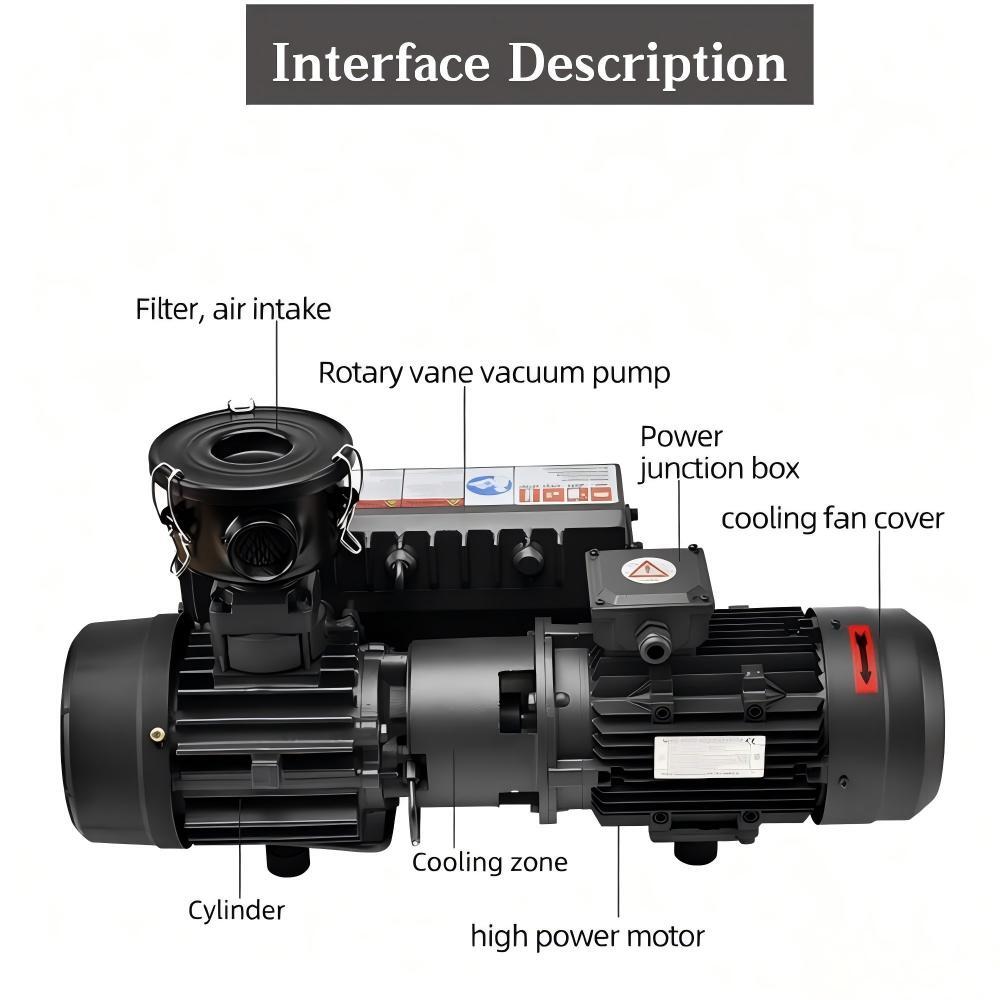
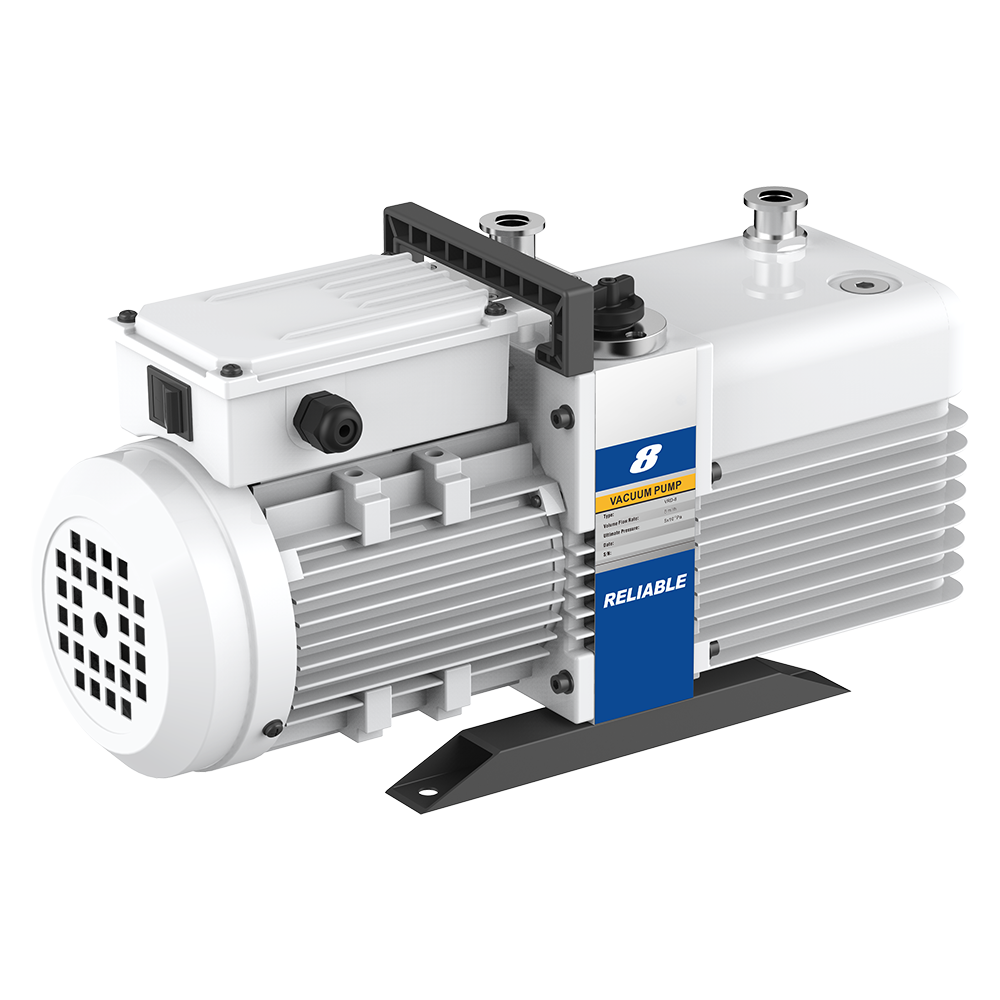
These pumps are also compatible with existing vacuum chambers and systems, allowing for seamless integration into existing setups.dual-stage vacuum pump The two vacuum stages work together to improve base pressure and vacuum performance. This allows them to handle more demanding processes and offer greater stability compared to single stage vacuum pumps.
Single-Stage Vacuum Pumps
The simplicity of single-stage cordless vacuum pumps makes them an attractive option for technicians who work with a variety of systems, quick service jobs, or light evacuation tasks.dual-stage vacuum pump However, their limitations become apparent when field conditions, longer hoses, or complex systems make evacuation more challenging. For these real-world demands, a two-stage pump offers the strength and moisture removal that technicians need to do the job well.
Whether you choose a single or two-stage model, it’s important to pick a quality pump made from durable materials to ensure a long service life and reliable operation. The right pump will also include an oil management system that provides a clean, dry environment for the vacuum engine and seals. It should also feature a low vapor pressure oil, such as EZ Grade or Elite Z, which helps extend the pump’s operating life and delivers better performance compared to traditional petroleum-based oils.
Energy Efficiency
The type of motor used and how the pump works will determine its energy efficiency. A more efficient motor and drive system will reduce power consumption, helping reduce operating costs over time. The use of an alternative fuel source, such as propane or natural gas, will further reduce environmental impact.
Choosing the right pump for your application doesn’t just depend on stages; battery compatibility, runtime, portability, and build quality can also be key considerations. For example, many technicians prefer cordless models that fit their existing battery platform. This streamlines charging, reduces downtime, and fits into their existing workflows. It’s also worth checking out a pump’s energy efficiency ratings when comparing models, as this can help save on operational costs and protect the environment. The good news is that there are plenty of energy-efficient vacuum pumps to choose from.
Tags:air pump | diaphragm vacuum pump | dry vacuum pump
0users like this.