Whatsapp: +86 18298157670 vicky@yczxairtankdcpump.com

news
How to Choose the Best Dental Compressor With Tank
How to Choose the Best Dental Compressor With Tank
As a patient, the dental air compressor that your dentist uses to blow dry your teeth might not be top of mind during your yearly visit.dental compressor with tank However, it’s one of the most important pieces of equipment in a clinic and directly affects the quality of your dental work and experience.
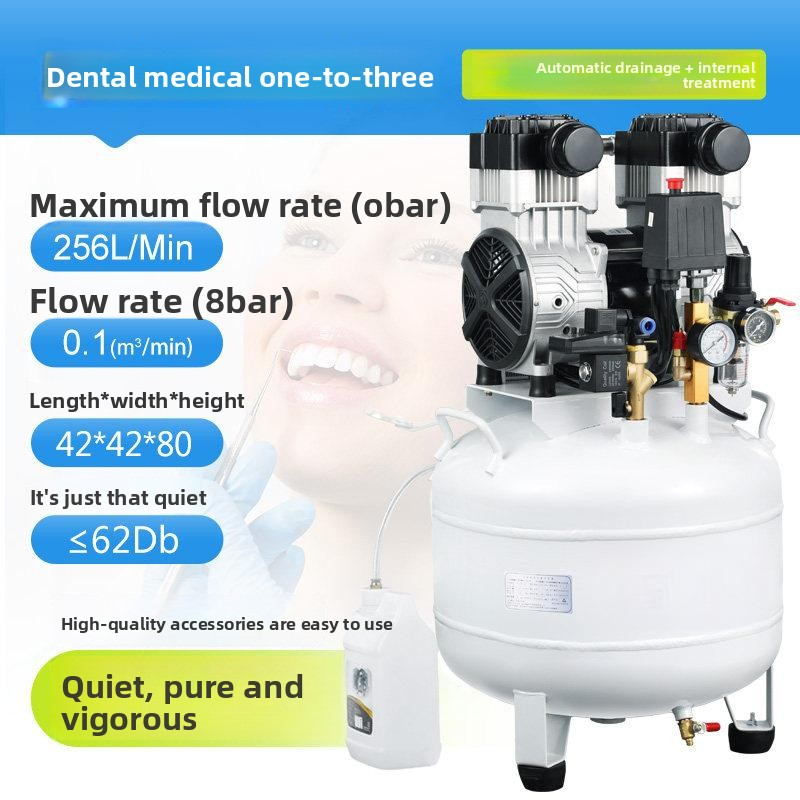
The dental compressor draws in room air, compresses it, purifies and dries it, and then stores the clean, pressurised, and hygienic compressed air for dental tools and 3/1 syringes.dental compressor with tank It’s a piece of specialized machinery that is an integral part of every clinic.
A dental air compressor with tank can be a stand-alone unit, or it can be integrated into the practice’s pneumatic system along with other pieces of medical equipment. Its functionality is crucial to the efficiency of all dental tools and procedures. A dental compressor that delivers contaminated or low-quality compressed air can impact the performance of dental tools and negatively impact the patients’ comfort during procedures.
Like any industrial machine, dental compressors require proper maintenance and monitoring to achieve optimal performance. A dental compressor is a major investment and it’s critical to understand how it works and how to maintain it properly.
How to Choose the Best Dental Compressor With Tank
A high-quality dental air compressor for sale should be designed with an emphasis on cleanliness and hygiene. It should have an air receiver that is constructed of stainless steel or galvanized metal to protect the internal components from corrosion and contamination from dirt water and bacteria. This will minimize the risk of infections from bacterial growth and will ensure that the resulting compressed air is safe for use in human mouths.
It’s also a good idea to invest in an oil-free dental air compressor. This type of compressor eliminates the possibility of oil vapours contaminating the compressed air supply and reduces maintenance needs as it doesn’t require changing the oil in the compressor. It’s essential to check if your dental compressor meets the requirements of Health and Safety Regulations for Dental Compressors, including maximum pressure limits.
A basic inspection of the compressor can reveal signs of wear and tear, especially if the air compressor takes too long to maintain pressure. In these cases, it’s a good idea to have it checked by a professional, as this could indicate issues with the compressor that need immediate attention and could even lead to costly repairs in the future.
Draining your dental air compressor daily is a must and it’s the best way to prevent water accumulation in the tank. It only takes a few minutes to drain the compressor and keeping records of when it’s been drained and how much water is in the tank can help with scheduling routine maintenance and identifying problems early.
0users like this.