Whatsapp: +86 18298157670 vicky@yczxairtankdcpump.com

news
Water Circulation Vacuum Pump: How It Works and What to Check
Water Circulation Vacuum Pump: How It Works and What to Check
An informational guide to water circulation vacuum pumps: how the water loop supports vacuum generation, selection data to gather, maintenance checks, and questions for suppliers.
A water circulation vacuum pump uses a moving water stream, often in a ring or jet, to help create and maintain vacuum in a process system. When specifying or maintaining one, the key questions are whether the pump matches the process duty, how the water loop is managed, and what the manufacturer requires for operation. This guide explains the basic concept, the circulating-water path, selection data, maintenance checks, and limitations. Use it to prepare supplier questions and organize a review with qualified engineers.
Key Takeaways
- A water circulation vacuum pump uses water as part of the vacuum-generating mechanism; exact design details vary by model.
- The water loop affects sealing, heat removal, vapor handling, and water treatment needs, so confirm limits in the manufacturer manual.
- Selection should start with process duty, gas and vapor compatibility, utility conditions, and maintenance access.
- Monitor water condition, leaks, vibration, noise, temperature, and vacuum trends according to site procedures.
- Ask suppliers to state the operating conditions behind performance data and to provide manuals, utilities, and spare-parts information.
What Is a Water Circulation Vacuum Pump?
A water circulation vacuum pump is a vacuum pump that uses circulating water as part of its working mechanism. In many designs the water forms a liquid ring inside the pump, while other systems may use a water jet or related wet arrangement. The label describes the water loop and working principle, not one universal mechanical design, so confirm the exact type in the supplier documentation before comparing options.
Definition and core components
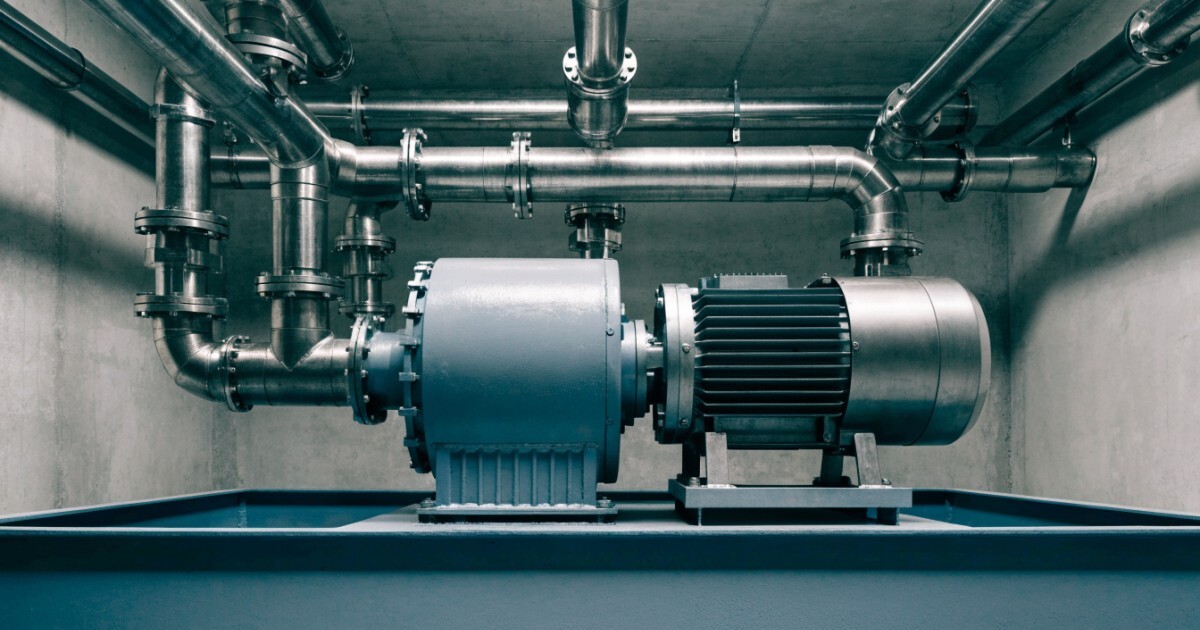
A typical unit includes a pump housing, an impeller or ring assembly, a motor, a water inlet, a water return connection, and control or instrumentation connections. The circulating water may support sealing, heat removal, and vapor handling, depending on the design. Treat those functions as design-specific until the manufacturer confirms them for the model under evaluation. The pump is only one part of the vacuum system; piping, receivers, separators, cooling, and controls all influence how the installation behaves.
How circulating water supports vacuum generation
In a liquid-ring style pump, an impeller throws water outward to form a moving ring. Gas enters, is compressed by the rotating liquid ring, and exits through a discharge port. In other water-based designs, a jet or ejector may use water to entrain gas. The common idea is that moving water provides a liquid working element and helps manage the gas being removed. Which mechanism applies matters because water quality, water temperature, and piping arrangements can differ between designs.
Where this design is commonly used
This design may appear in industrial vacuum service where the plant already manages service water and the process gas is compatible with a wet vacuum arrangement. It is not automatically suitable for every duty. Corrosive vapors, carryover liquids, high vapor loads, or limited water treatment can change the selection. Use the process description and manufacturer documentation to decide whether a water circulation vacuum pump fits before requesting a firm quotation.
How the Water Circulation Loop Works
The water circulation loop moves water into the pump, through the working area, and back to a return point such as a tank, cooler, or treatment step. The loop is not just a utility connection. It is part of how the pump handles heat, vapor, and sealing, so determine whether the site will use an open arrangement, a closed recirculating arrangement, or a combination. Confirm the intended arrangement with the supplier because the water source, discharge point, and treatment requirements can change the project scope.
Process flow from water supply to return
In a simple open arrangement, water enters the pump and leaves to drain or to a treatment point. In a closed arrangement, water is recirculated, often through a tank or heat exchanger, and then returned to the pump. Each arrangement has different implications for water use and site utilities. Plan the supply and return path to avoid unnecessary restrictions, air pockets, or dead legs. The manufacturer should provide the required connection details and allowable operating conditions for the specific model.
Role of water quality and temperature
Water quality and temperature can affect deposits, clearances, heat removal, and the condition of wetted parts. Acceptable ranges must come from the manufacturer, not from a general rule. Ask how the supplier defines acceptable water quality, what treatment is recommended, and how supply temperature affects documented performance. If process water or cooling water will be reused, describe that source clearly in the inquiry. A loop that works in one plant may not be suitable in another because water chemistry and heat load differ.
Where vapor and heat are managed
Vapor drawn from the process may be carried with the circulating water, and heat from compression or from the process must be removed somewhere in the loop. The pump, separator, tank, cooler, and discharge arrangement all play a role. Ask the supplier to identify the intended heat-removal path and expected vapor handling arrangement. Do not assume the pump alone resolves every vapor or heat issue. If the process carries condensable vapors or liquid droplets, explain that in the selection data so the supplier can address it.
Key Selection Factors
Selection starts with a written description of the duty. More than a target vacuum level is needed. Gather the gas and vapor composition, operating schedule, water source, available cooling, electrical and control requirements, and space available for maintenance. Then ask the supplier to explain how the proposed pump was selected for those conditions. This keeps the discussion grounded in the process rather than in headline claims.
Vacuum duty and process compatibility
Define the required vacuum level, gas flow, operating temperature, and any intermittent or cyclic operation. List the gases and vapors present and note any carryover liquids, dust, or condensate. Check material compatibility for wetted parts and for any elastomers or seals the supplier identifies. If the process can change, say so. A pump selected for one clean duty may not be appropriate when the process includes solvents, acids, or high moisture.
Water supply, quality, and temperature considerations
Ask the supplier to state the acceptable water quality and temperature range for the proposed model. Confirm the required supply pressure and flow, allowable return conditions, and whether a strainer or filter is recommended. For a closed loop, describe the cooling source and expected heat load. For once-through water, confirm discharge and treatment requirements with the site and local authorities.
Controls, utilities, and maintenance access
Confirm the motor and electrical requirements against site standards. Ask which instrumentation, control interfaces, and safety devices are included or required. Check the footprint, lifting points, clearances, and access for inspecting the pump, water connections, and any separator or cooler. Maintenance access is easy to overlook during layout, but it affects how quickly the team can respond to a leak, blockage, or vibration issue.
The table below organizes the minimum data to gather before requesting a quotation.
| Data item | Why it matters | What to confirm |
|---|---|---|
| Required vacuum level and gas flow | Defines the basic duty | Documented performance at your stated conditions |
| Gas and vapor composition | Affects materials and the water loop | Compatibility and any treatment needs |
| Water source and quality | Affects operation and maintenance | Acceptable ranges and recommended treatment |
| Water temperature and cooling | Affects heat removal | Required supply temperature and heat-rejection path |
| Utilities and controls | Affects integration | Power, instrumentation, and control interface |
| Space and access | Affects installation and service | Footprint, clearances, lifting, and maintenance access |
Operation and Maintenance Basics
After installation, use the manufacturer maintenance schedule as the primary reference and adapt it to site procedures. Keep records so trends are visible rather than reacting only to failures. Routine attention should cover the water loop, visible leaks, unusual noise or vibration, and changes in vacuum or water flow. Qualified personnel should investigate abnormal conditions and carry out repairs.
Routine checks and records
Record the readings the site needs for the vacuum system, such as vacuum level, water flow if measured, supply temperature, and any differential pressure indicators the supplier specifies. Note the date, operating condition, and any adjustment made. Check for leaks, loose connections, and abnormal noise during rounds. Keep the manufacturer manual, spare-parts list, and as-built drawings available to the maintenance team.
Water quality and loop care
Monitor water condition according to site procedures and supplier recommendations. Inspect strainers, filters, tanks, and visible piping for accumulation or blockage. If the loop uses a cooler or treatment step, confirm that it is working as intended. Avoid adding treatment chemicals unless they are compatible with the pump materials and the process. Water quality is a system issue, so involve both the pump supplier and the site utility or treatment team when a change is proposed.
Warning signs that warrant inspection
Changes in vacuum, water flow, vibration, noise, temperature, or leakage can indicate that something needs attention. A gradual trend can be as important as a sudden change. Investigate unusual conditions promptly and use qualified personnel for repairs. Do not assume a specific cause without inspection evidence. The correct response depends on the design, the process, and the maintenance history of the unit.
Common Misunderstandings and Limitations
A water circulation vacuum pump is sometimes described as if it were interchangeable with any wet vacuum option. In practice, the water arrangement, materials, controls, and process compatibility determine whether it suits the site. Challenge assumptions about water use, treatment, and performance before committing to a design. Ask the supplier to explain the basis for statements about vacuum level, water consumption, and operating limits.
Circulation versus once-through designs
Circulation and once-through water arrangements are not interchangeable in every plant. A recirculating loop needs a place to reject heat and a way to manage water quality. A once-through arrangement needs a suitable water source and a discharge path that meets site and local requirements. Confirm what is included in the quotation and what the site must provide.
Water treatment and site conditions
Water treatment needs vary with the water source, process contamination, and local requirements. A closed loop can concentrate impurities over time if makeup water and treatment are not managed. An open loop can use more water and may require discharge approval. These are site-specific questions. Do not accept a generic statement that the pump can use any available water without checking manufacturer limits and environmental requirements.
System-level performance expectations
Published vacuum curves depend on stated test conditions and should not be assumed for every site. Piping pressure drop, water temperature, vapor load, receiver volume, and control strategy can all affect the installed result. Ask the supplier to identify the assumptions behind the performance information. If the process differs from those assumptions, request a revised selection. The pump is only one part of the vacuum system, so evaluate the whole installation rather than the pump alone.
Installation and Integration Considerations
Plan the installation before the equipment arrives. Confirm the space, water connections, power, controls, and maintenance access against supplier drawings and site standards. Installation work should be reviewed by qualified mechanical, electrical, and process personnel. Local codes and manufacturer instructions take precedence over general guidance.
Piping layout and water connections
Plan water supply and return piping to avoid unnecessary restrictions and dead legs. Confirm connection sizes, support requirements, and any recommended valves or strainers from the supplier. Provide access for inspection and isolation. If the pump is part of a closed loop, coordinate the piping with the tank, cooler, and treatment equipment. Keep the layout clear enough that operators can identify the water path during troubleshooting.
Utilities and control integration
Verify electrical and instrumentation requirements against site standards. Confirm how the pump will start and stop, what interlocks are required, and whether the supplier provides a control panel or only a motor connection. Check that the control interface matches the plant system. Involve qualified electrical personnel for power and control work, and confirm that the installation meets applicable codes.
Commissioning documentation
Request commissioning checklists, operating instructions, and as-built documentation for future maintenance. Confirm what tests the supplier recommends before the pump is put into service. Record initial readings so later trends have a baseline. Keep the manual and spare-parts information with the equipment records. Good documentation makes it easier to distinguish normal operation from a developing problem.
Evaluating Options and Next Steps
Compare options on documented fit, water-loop requirements, service support, and whole-system integration rather than purchase price alone. Ask each supplier to explain how the proposed water circulation vacuum pump was selected for the process. Then check whether the assumptions match the site. Final selection should involve qualified engineering review and verified supplier documentation.
Questions to ask suppliers
- How was this pump selected for my stated vacuum duty and process gas composition?
- What water quality, water temperature, and supply pressure does the model require?
- What heat-removal and vapor-handling arrangement is assumed?
- Which controls, instrumentation, and safety devices are included?
- What maintenance schedule and spare-parts recommendations apply?
- What documentation will be provided for installation and commissioning?
Documentation to request
Request the model-specific manual, utility requirements, performance information with stated operating conditions, maintenance schedule, spare-parts list, and commissioning checklist. Ask for drawings that show water connections and recommended clearances. If the supplier provides a performance curve, ask what test conditions and water temperature it assumes. Keep these documents with the project file so future maintenance and modification decisions have a reliable reference.
Building a comparison checklist
Use a simple comparison table to keep supplier responses consistent. The table below is a decision aid, not a substitute for engineering review.
| Criterion | Evidence to request | Decision note |
|---|---|---|
| Process fit | Performance stated at your conditions | Check that assumptions match your duty |
| Water loop | Quality and temperature limits, treatment needs | Check that your site can meet them |
| Maintenance | Schedule, spare parts, access requirements | Check that service access is practical |
| Controls | Interface list and commissioning checklist | Check against site standards |
Before selecting or maintaining a water circulation vacuum pump, compare process requirements with the pump specifications and consult the manufacturer documentation. If the process includes corrosive vapors, high moisture, or unusual water conditions, raise those points early so the supplier can address them in the proposal. A documented review now is more useful than correcting a mismatch after installation.
FAQ
What is a water circulation vacuum pump?(2)
It is a vacuum pump that uses circulating water as part of its vacuum-generating mechanism. Many designs use a liquid ring, while others may use a water jet or related wet arrangement. The exact components and water requirements depend on the model, so confirm them in the manufacturer documentation.
Does a water circulation vacuum pump use water continuously?
The pump uses water in its working loop, but whether that water is once-through, recirculated, or a combination depends on the system design. A closed loop recirculates water through a tank or cooler, while an open arrangement uses water once and then discharges or treats it. Confirm the intended arrangement before selection.
What water quality information should I confirm with the supplier?
Ask for acceptable water quality and temperature ranges, required supply pressure and flow, and any recommended strainers, filters, or treatment. If you plan to reuse process water or cooling water, describe that source in your inquiry. Do not assume a generic water supply is acceptable without checking the model-specific limits.
What should I monitor during operation?
Follow the manufacturer maintenance schedule and your site procedures. Monitor vacuum level, water flow where measured, supply temperature, leaks, noise, vibration, and any differential pressure indicators the supplier specifies. Record routine readings so you can identify trends and investigate unusual conditions promptly.
Can I compare published vacuum performance directly between suppliers?
Only if the performance information is stated at comparable operating conditions. Vacuum curves depend on assumptions such as water temperature, gas composition, and test conditions. Ask each supplier to explain the basis for the data and to confirm the selection for your actual process conditions.
0users like this.